
If you are planning a spring or summer trip and searching for Yosemite wildflowers, timing matters more than anything else.
Wildflower season in Yosemite National Park shifts based on elevation, snowpack, and rainfall. Blooms do not happen all at once. They move up the mountain as snow melts. Understanding this pattern is the difference between seeing scattered flowers and catching peak bloom.
This guide breaks down when to go, where to look, and what to realistically expect.
When Is Wildflower Season in Yosemite?
Wildflower season in Yosemite typically runs from March through August, depending on elevation.
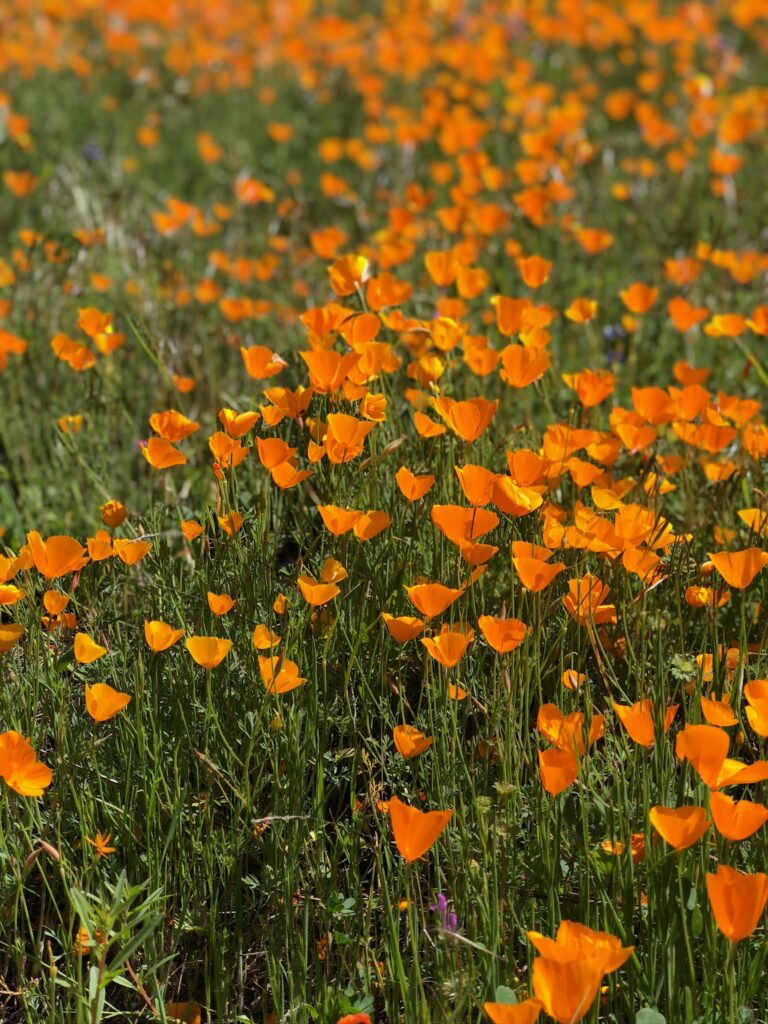
March to April: Foothills and Lower Elevations
The first blooms appear in lower elevations west of Yosemite Valley and along the Merced River corridor.
Common early spring wildflowers include:
- California poppies
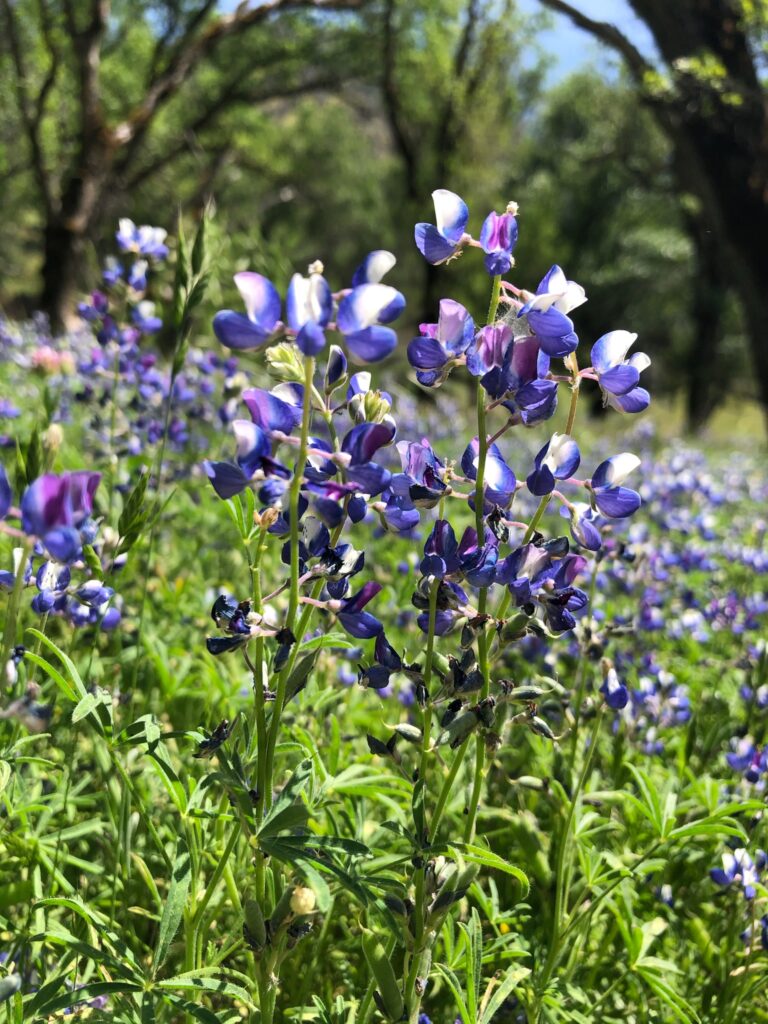
- Lupine
- Goldfields
- Redbud trees
In lighter snow years, blooms may begin in early March. In heavy snow years, early April is more common.
If you are visiting in early spring, stay lower in elevation for the best chances.
May to June: Peak Wildflowers in Yosemite Valley
Late spring is usually peak bloom in Yosemite Valley.
As snow melts and waterfalls surge, meadows begin filling with color. You may see:
- Shooting stars
- Mule’s ears
- Lupine
- Western azaleas
- Dogwood blossoms
Mid May through mid June is often the most reliable window for Valley wildflowers and waterfalls at the same time.
If you want strong waterfall flow and active blooms, this is typically your safest bet.
July to August: High Country and Alpine Blooms
Once Tioga Road opens, the high elevation areas become prime wildflower territory.
Tuolumne Meadows and surrounding alpine areas bloom later because snow lingers longer. Expect to see:
- Columbine
- Paintbrush
- Elephant’s head
- Sierra primrose
- Alpine shooting stars
High country wildflowers usually peak in July and may extend into early August depending on snowpack.
Where to See Wildflowers in Yosemite
Wildflowers follow moisture and sunlight. Meadows, river corridors, and recently snow-melted slopes offer the best displays.
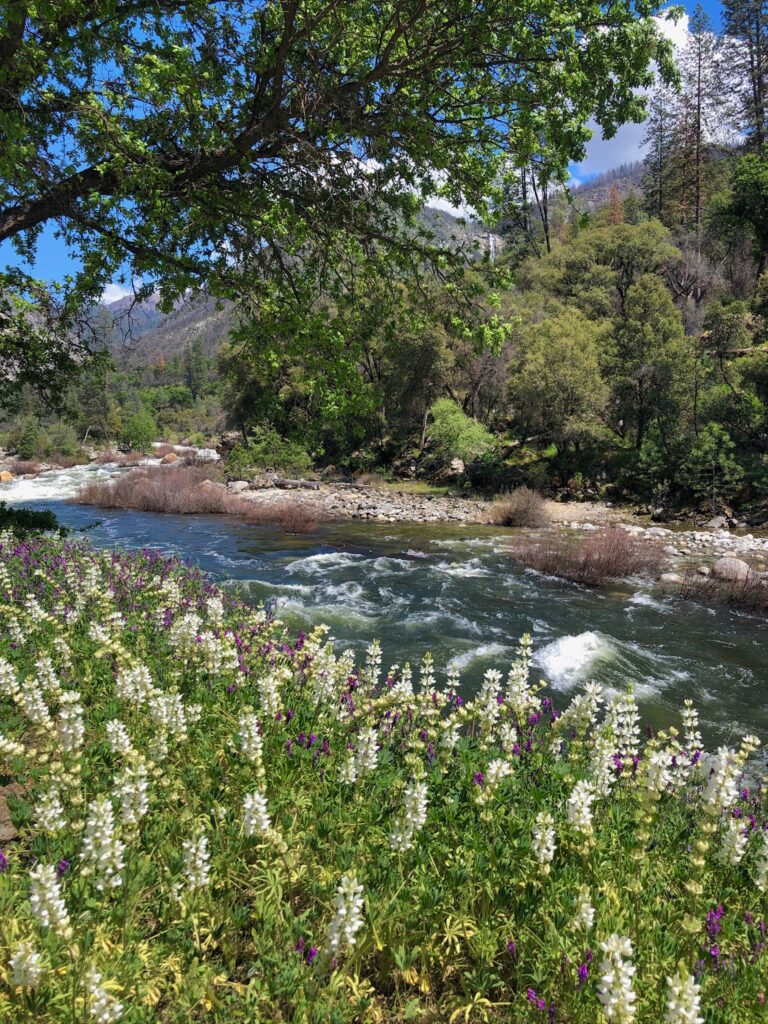
Best Areas in Yosemite Valley
These locations offer easy access and are ideal for families or visitors who prefer shorter walks.
Best Lower Elevation Areas
- Merced River corridor
- Foothill slopes west of the Valley
These areas bloom first in early spring.
Best High Elevation Areas
Alpine flowers are more delicate and typically bloom later in the season.
What to Expect During Wildflower Season
It helps to set realistic expectations.
Yosemite is not known for massive desert-style super blooms. Instead, you will find pockets of color scattered through meadows and along trails.
Bloom intensity depends heavily on winter snowpack and spring rainfall. Heavy snow years often mean later but more vibrant displays. Dry winters may produce lighter blooms.
Wildflower timing also varies by week. A meadow can look different even 10 days later. Flexibility improves your chances of seeing peak color.
Tips for Planning a Wildflower Trip
- Monitor snowpack reports during winter.
- Check Tioga Road opening status if planning for summer blooms.
- Aim for late May if you want waterfalls and Valley wildflowers together.
- Visit south facing slopes earlier in the season.
- Go early in the day for softer light and fewer crowds.
Frequently Asked Questions About Yosemite Wildflowers
When is the best month to see wildflowers in Yosemite?
May is typically best in Yosemite Valley. July is best for high elevation wildflowers in Tuolumne Meadows.
Do wildflowers bloom every year in Yosemite?
Yes, but bloom size and timing vary based on snowpack and rainfall.
Where can I see wildflowers without hiking far?
Cook’s Meadow and the Valley Loop Trail offer easy access viewing in spring. Tioga Road pullouts provide roadside viewing in summer.
Are Yosemite wildflowers family friendly to visit?
Yes. Many bloom areas are accessible from paved paths, short walking trails, and roadside stops.
Can you pick wildflowers in Yosemite National Park?
No. Picking wildflowers is illegal and harms the ecosystem. All plants are protected within the park.
Do wildflowers and waterfalls peak at the same time?
Often yes in late May and early June. This is usually the best overlap window for both.
What should I bring for wildflower viewing?
Comfortable walking shoes, layers for mountain weather, water, and a camera with zoom.
Final Thoughts
Wildflower season in Yosemite is layered, not flashy. Blooms rise with the snowline. If you understand elevation timing, you dramatically increase your chances of seeing color.
For the strongest overall experience, late May in Yosemite Valley or July in the high country are typically your safest windows.