

A reservation is not required to visit Yosemite or the Horsetail Fall area in February 2026.
The Yosemite Firefall is one of the most iconic winter experiences in Yosemite National Park. Each February, the setting sun hits Horsetail Fall at just the right angle, creating the illusion of glowing lava cascading down El Capitan. If you are planning a Firefall trip, entering Yosemite through the West Entrance is one of the most efficient and practical ways to experience it.
This guide explains what the Firefall is, when it happens, how to access viewing areas through the West Entrance, and where to stay for a smoother winter visit.
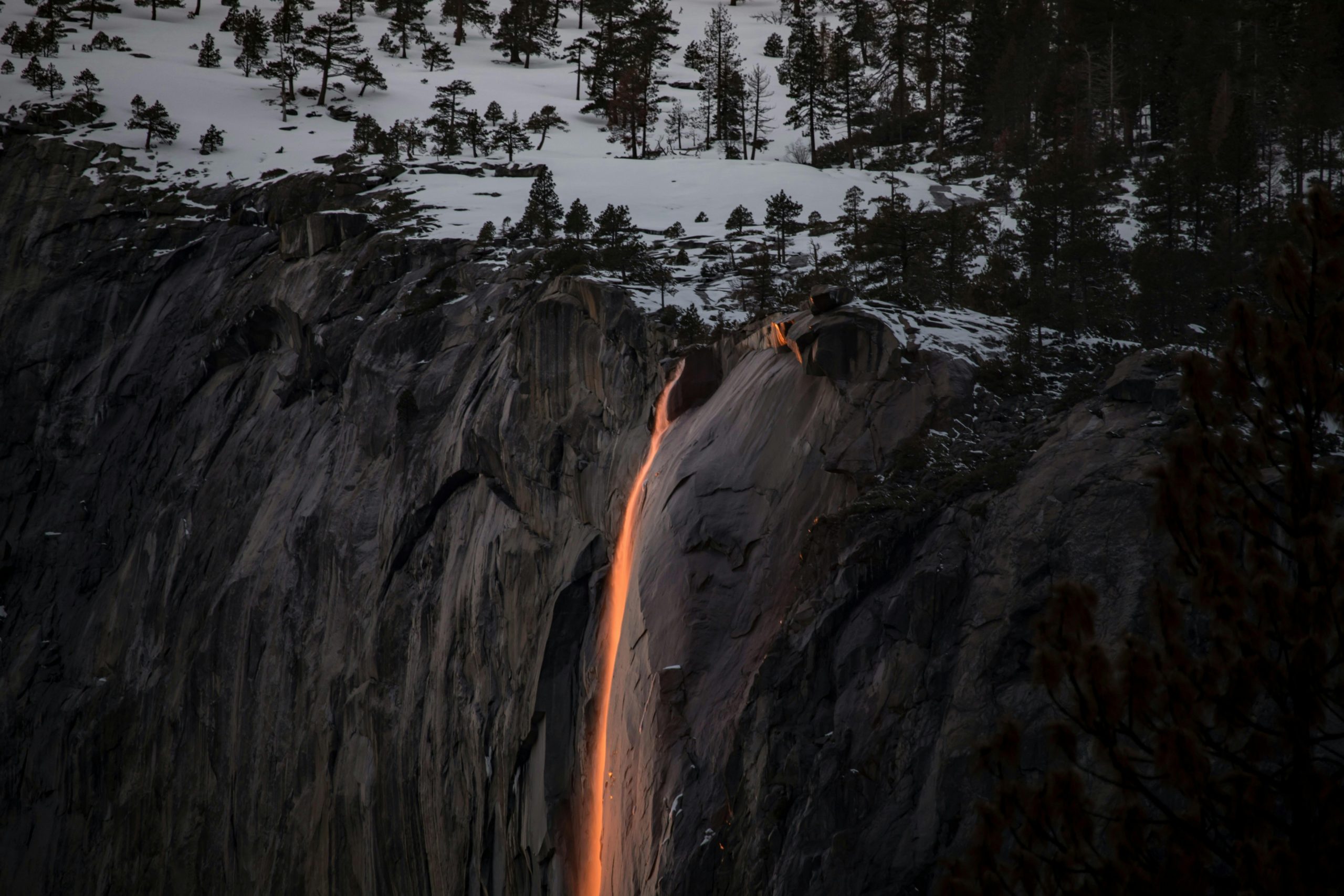
What Is the Yosemite Firefall
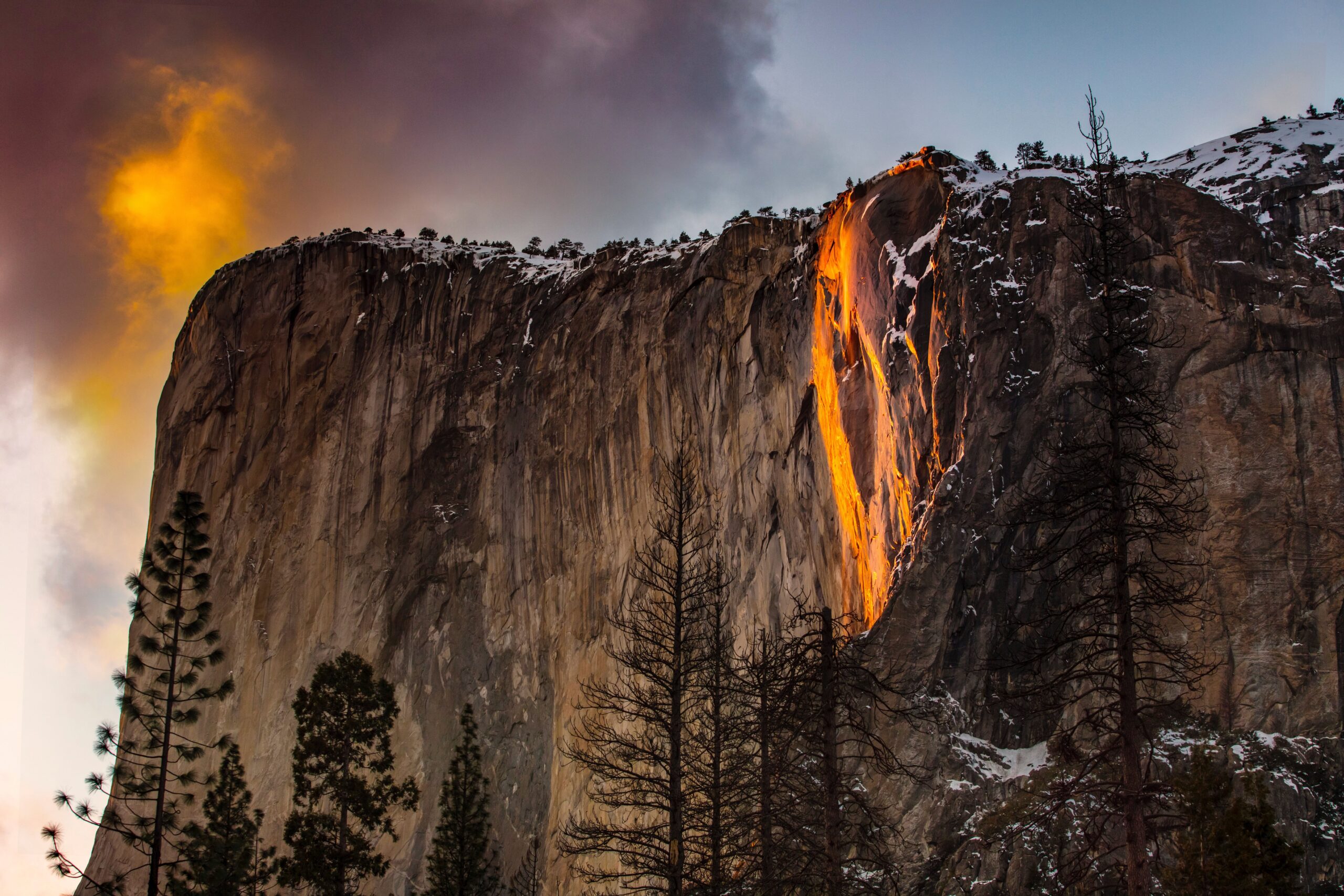
The Yosemite Firefall is a natural phenomenon that occurs when sunlight reflects off Horsetail Fall during sunset, causing the waterfall to glow orange and red. Unlike Yosemite’s historic manmade firefall, this event depends entirely on weather and natural conditions.
For the Firefall to appear, three things must happen at the same time:
- There must be water flowing over Horsetail Fall, usually from melting snow
- The sky must be clear at sunset
- The sun must be at the correct angle, typically in mid to late February
Because these conditions are unpredictable, visitors often plan multiple evenings in Yosemite to increase their chances of seeing it.
When Does Yosemite Firefall Happen
Firefall season typically runs from early February through late February. Peak viewing often occurs during the second and third weeks of the month, but exact dates vary every year.
The glow usually lasts for five to ten minutes just before and during sunset. Clouds, storms, or lack of water flow can prevent the Firefall from appearing, even during peak season.
Why Enter Yosemite Through the West Entrance for Firefall
The West Entrance, also known as the Arch Rock Entrance, is the most direct route to Yosemite Valley from California’s Central Valley and Bay Area. For Firefall visitors, this entrance offers several advantages.
- It provides faster access to Yosemite Valley, where all Firefall viewing areas are located
- Road conditions are generally more manageable in winter compared to higher elevation entrances
- It places you closer to lodging options just outside the park, reducing late night driving
During Firefall season, Yosemite Valley can become congested in the late afternoon. Entering through the West Entrance allows for better timing and flexibility when positioning yourself before sunset.
Best Firefall Viewing Areas in Yosemite Valley
Firefall viewing is limited to specific areas, and rangers strictly control parking and roadside stopping during February.
Popular viewing locations include:
- El Capitan Picnic Area
- Southside Drive pullouts near the Merced River
Parking areas typically fill up several hours before sunset. Visitors arriving late may need to park farther away and walk to viewing locations. Plan to arrive by early afternoon on popular days.
Winter Travel Tips for Firefall Visitors
February is winter in Yosemite, and conditions can change quickly.
- Carry tire chains and know how to use them
- Check road conditions and weather forecasts daily
- Dress in warm layers and bring gloves and hats
- Expect limited cell service inside the park
Because Firefall viewing happens at sunset, temperatures drop quickly. Standing still while waiting for the glow can feel much colder than daytime temperatures.
Where to Stay Near Yosemite’s West Entrance
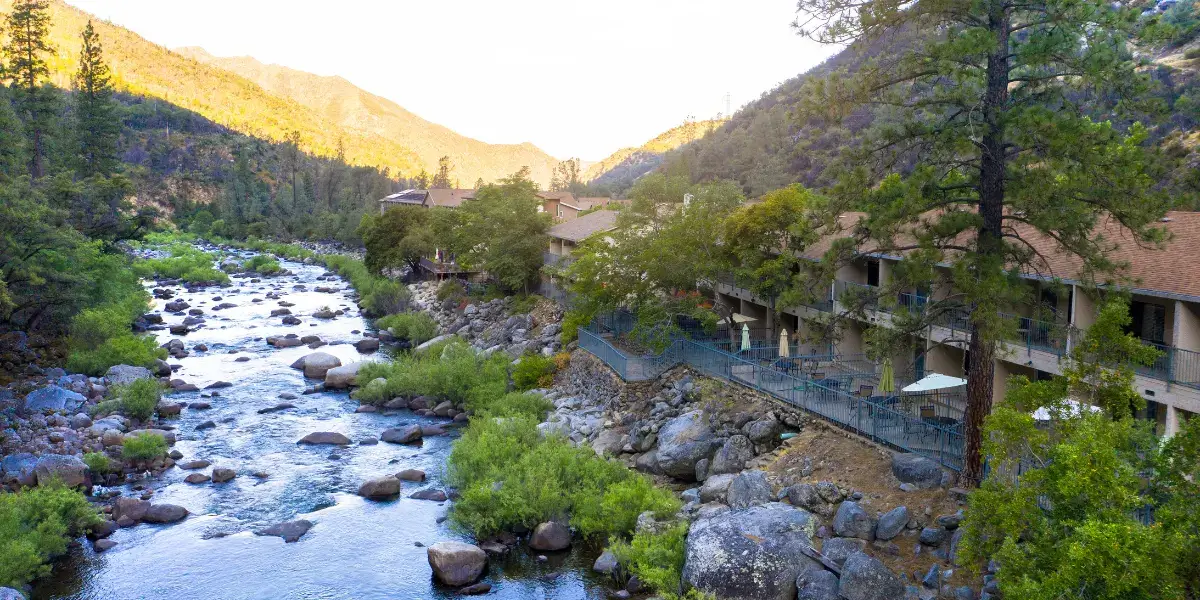
Staying near the West Entrance allows you to experience the Firefall without the stress of long winter drives after dark. Lodging outside the park also gives you flexibility to attempt Firefall viewing on multiple nights.
Properties near the West Entrance place you just minutes from Yosemite Valley while offering easier access, more availability, and amenities suited for winter travelers.
Is the Yosemite Firefall Guaranteed
No. The Firefall is never guaranteed, even during peak season. Cloud cover, insufficient water flow, or changing weather can prevent the effect from appearing. Planning a longer stay and staying flexible gives you the best chance of success.
Many visitors find that even without the Firefall, winter in Yosemite offers quieter trails, snow covered landscapes, and fewer crowds than peak summer months.
Frequently Asked Questions About Yosemite Firefall
Can you see Firefall every night in February
No. Firefall only appears when weather, water flow, and sunlight align. Some nights show no glow at all.
Do you need a reservation to see Firefall
A reservation is not required to visit Yosemite or the Horsetail Fall area in February 2026.
What time should I arrive for Firefall viewing
Arrive in Yosemite Valley by early afternoon. Popular viewing areas fill quickly, especially on clear days.
Is Firefall visible from outside Yosemite Valley
No. Horsetail Fall is located on El Capitan in Yosemite Valley, and viewing is limited to designated areas within the valley.
Planning Your Firefall Visit
Visiting Yosemite via the West Entrance during Firefall season offers the best balance of accessibility, safety, and flexibility. With the right timing, preparation, and expectations, witnessing the Yosemite Firefall can be a once in a lifetime winter experience.