
Fall is one of the best times to visit Yosemite National Park. The summer crowds begin to ease, temperatures become more comfortable for hiking, and pockets of yellow, orange and red appear throughout Yosemite Valley.
But fall can look very different depending on when you visit. September often still feels like summer, October brings cooler temperatures and more fall color, and by November, winter weather is possible.
Here’s what to know before planning a fall trip to Yosemite.
What Is Yosemite Like in the Fall?
Fall in Yosemite generally means fewer crowds, cooler hiking weather and changing colors, particularly as you move into October.
September is a great choice if you want warmer days and access to more of Yosemite’s higher elevations. October is better for travelers hoping for crisp mornings and fall colors. November is quieter, but weather and road conditions become less predictable.
One thing to keep in mind: Yosemite’s waterfalls are usually much smaller in fall than during peak snowmelt in spring and early summer.
Yosemite Fall Weather: September Through November
Mountain weather can change quickly, but here’s the general progression:
September: Warm, sunny days are common, with cooler mornings and evenings. Early September can still feel very much like summer.
October: Days become cooler and mornings can be crisp. This is when Yosemite Valley starts feeling much more like fall.
November: Expect colder temperatures and a greater possibility of rain or snow. Higher elevation roads may begin closing for the season depending on conditions.
Temperatures can also vary significantly by elevation, so always check the current Yosemite forecast before your trip.
When Do Fall Colors Peak in Yosemite?
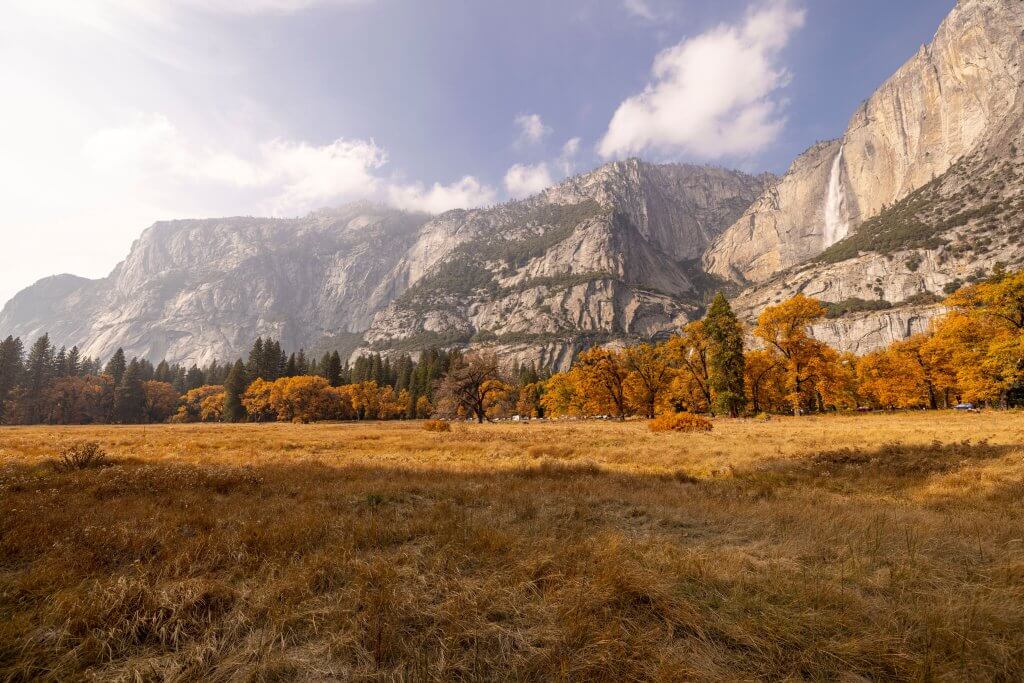
Unlike destinations where an entire forest changes at once, Yosemite’s fall colors appear gradually and at different elevations.
October is generally the best month to see fall colors in Yosemite Valley, although some color can begin in September and continue into November.
Look for golden black oaks and cottonwoods, yellow bigleaf maples and red or orange dogwoods against Yosemite’s evergreen forests and granite cliffs.
Some of the easiest places to enjoy fall color include Yosemite Valley, the Merced River corridor, Yosemite’s meadows and the Highway 140 approach into the park.
Is Yosemite Crowded in September and October?
Yosemite doesn’t suddenly become empty after Labor Day, but crowds generally begin to decrease as the summer travel season ends.
September weekends can still be busy, while weekdays tend to be quieter. October can be even less crowded, although beautiful fall weekends still attract visitors.
If avoiding crowds is important, visit on a weekday and start your day early.
Are Yosemite’s Waterfalls Flowing in the Fall?
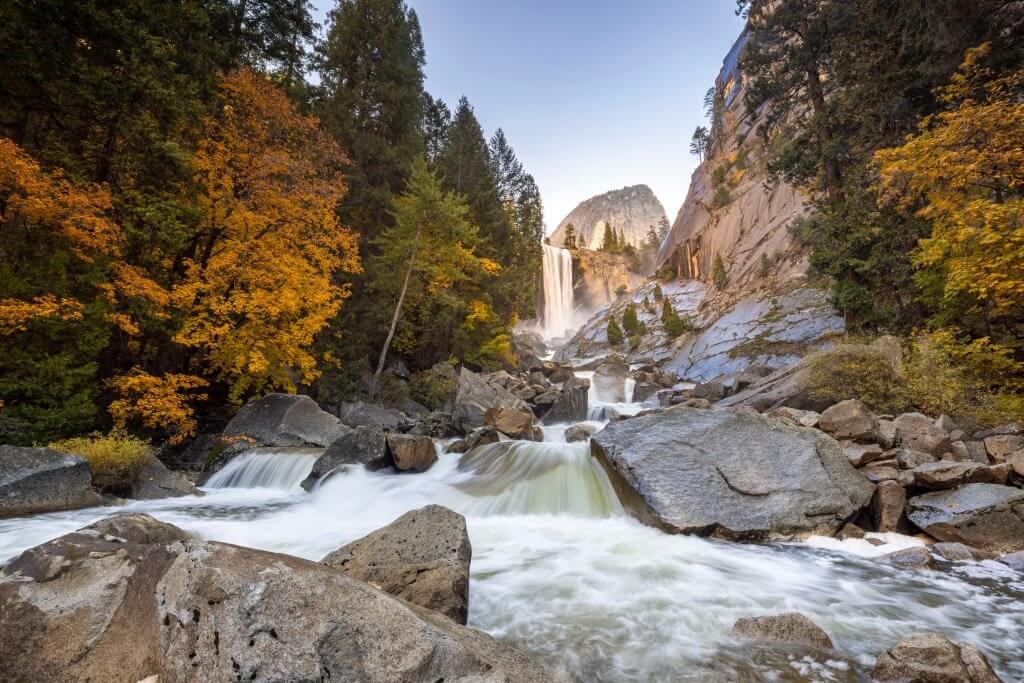
Yes, but don’t expect spring conditions.
Yosemite’s waterfalls are largely powered by snowmelt, so many are at their lowest flows by September and October. Some seasonal waterfalls may even be dry.
Fall offers a different Yosemite experience. Instead of roaring waterfalls, the season is about comfortable hikes, changing leaves, golden afternoon light and a quieter Yosemite Valley.
Best Things to Do in Yosemite During Fall
Fall is an excellent time to explore Yosemite on foot. Some of our favorite options include:
Valley Loop Trail: A beautiful way to experience Yosemite Valley, especially once the leaves begin changing.
Mirror Lake: An easy to moderate outing surrounded by some of Yosemite’s most dramatic scenery.
Tunnel View: A classic Yosemite viewpoint that is especially beautiful in the softer light of fall.
Glacier Point: When the road remains open, this is one of the best panoramic views in Yosemite. Always check seasonal road conditions before heading out.
And don’t overlook simply walking through Yosemite’s meadows or along the Merced River. Fall is one of the best seasons to slow down and enjoy the Valley without trying to check off every attraction.
What to Pack for Yosemite in the Fall
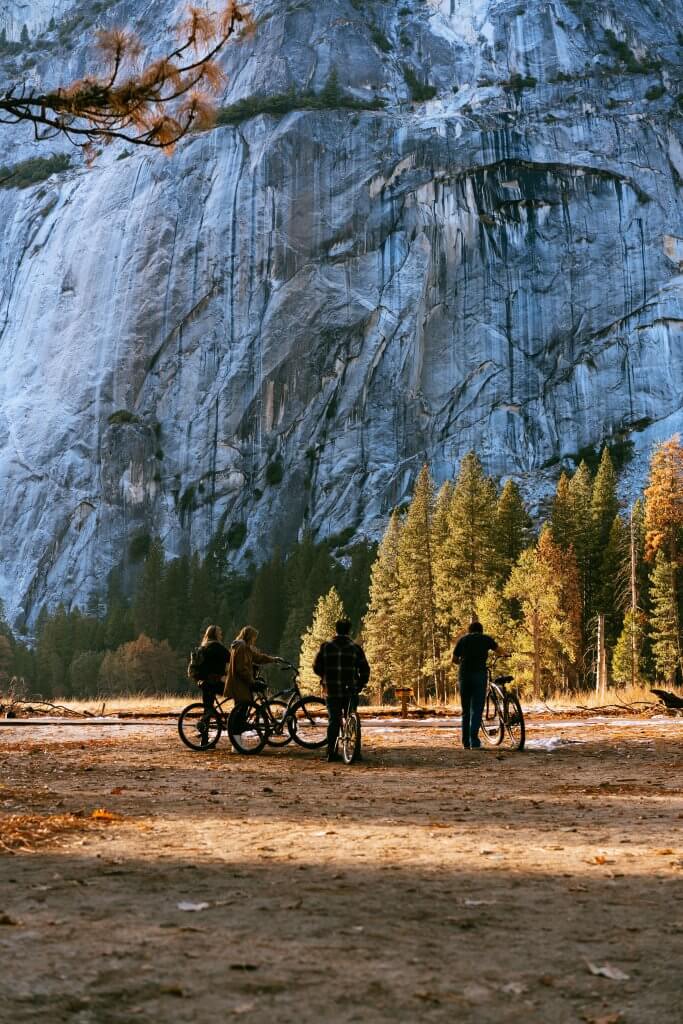
Layers are essential. A sunny afternoon can feel warm while temperatures drop quickly once the sun disappears behind the mountains.
Bring comfortable hiking shoes, a warm jacket or fleece, sun protection, water and an extra layer for mornings and evenings. Later in fall, rain gear and warmer clothing become increasingly important.
Always check current weather, road conditions and chain requirements before driving to Yosemite during colder months.
Where to Stay for a Fall Yosemite Trip
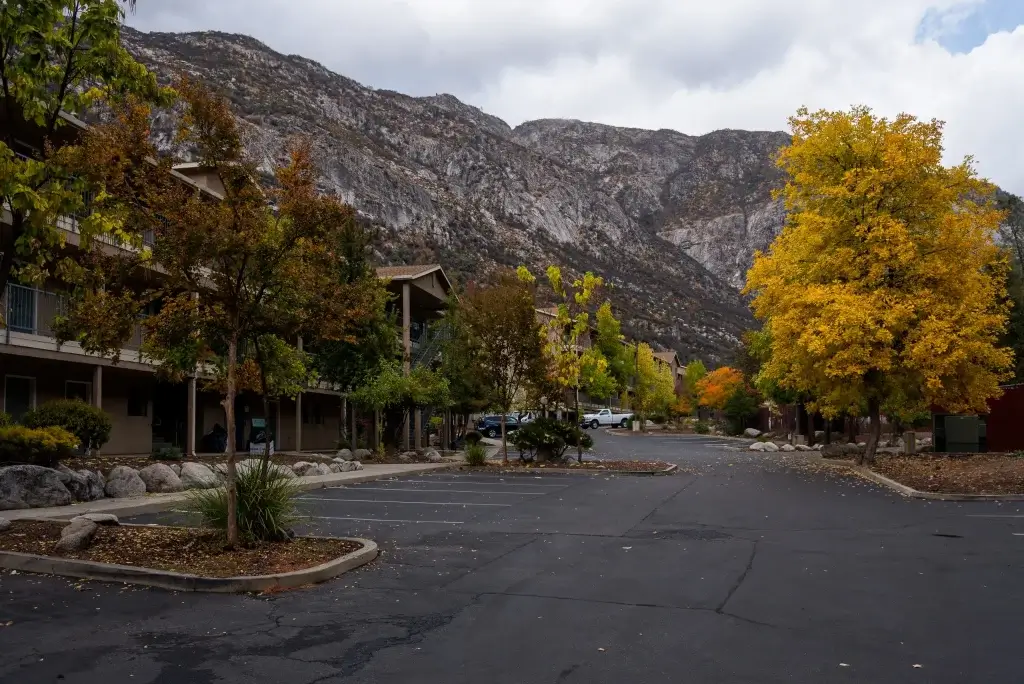
Staying close to the park becomes especially convenient in fall as daylight hours get shorter.
Yosemite View Lodge is located along the Merced River in El Portal, just outside Yosemite National Park’s Arch Rock Entrance. That means you can spend your day exploring Yosemite without adding a long drive back to your hotel.
Cooler fall evenings also make those post hike amenities a little more appealing. Many rooms offer river views, kitchenettes, fireplaces or spa tubs, and the property has indoor and outdoor pools and hot tubs.
Is Yosemite Worth Visiting in the Fall?
Absolutely.
September offers warm hiking weather with crowds beginning to thin. October brings more fall color and crisp mountain mornings. November is quieter and can offer the first taste of Yosemite’s winter season.
If you don’t need to see Yosemite’s waterfalls at their spring peak, fall may actually be one of the most enjoyable times to visit.
Yosemite Fall FAQs
What month is best for fall colors in Yosemite?
October is generally the best month for fall colors in Yosemite Valley, although timing varies each year.
Is September a good time to visit Yosemite?
Yes. September typically offers warm days, cooler evenings and good access to trails and higher elevation areas before winter weather arrives.
Does it snow in Yosemite in October?
It can. Snow is more likely at higher elevations, but early storms can occasionally affect Yosemite Valley as well.
Is Yosemite less crowded in the fall?
Generally, yes. Crowds usually decrease after the summer season, particularly on weekdays.