

Yosemite National Park is open year round, whether it is sunny, raining, or covered in snow. January and winter months bring stunning scenery, fewer crowds, and a quieter park experience, but they also come with important driving considerations. If you are planning a winter visit, understanding Yosemite road conditions and chain requirements will help you travel safely and confidently.
This guide explains how winter driving works in Yosemite, when chains are required, which entrance roads are most reliable, and why staying along Highway 140 makes winter travel easier.
Is Yosemite Open in the Winter?
Yes. Yosemite National Park is open year round, even during snowstorms. While some high elevation roads and trails close for the season, Yosemite Valley remains accessible throughout the winter.
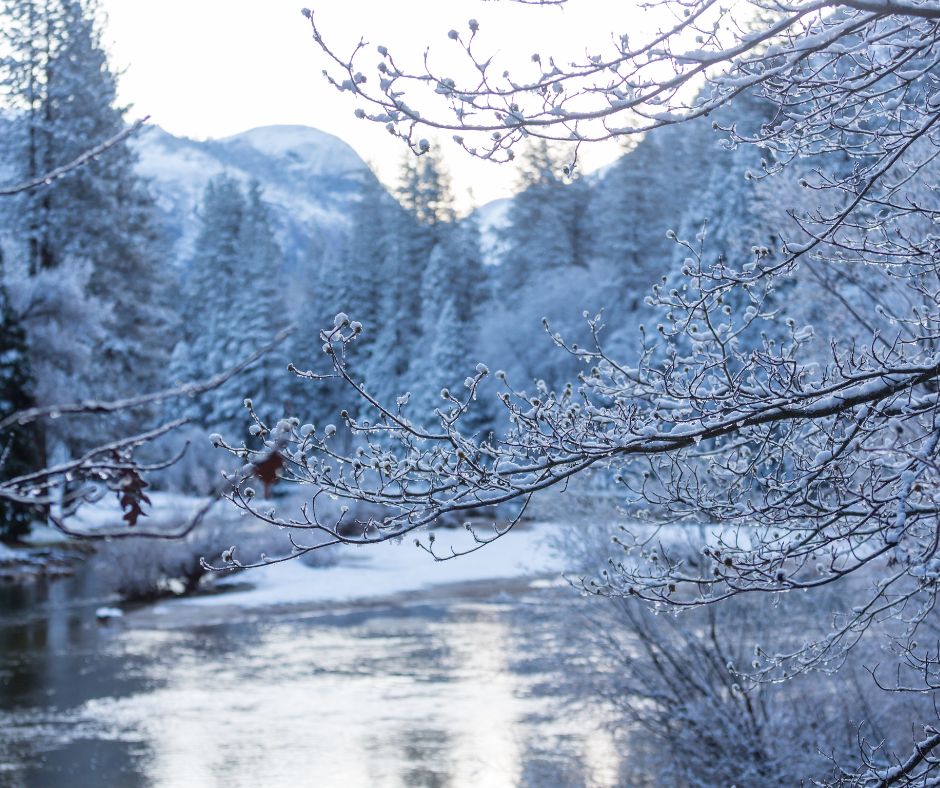
Snow, rain, and winter weather do not close the park entirely. Instead, access depends on road conditions, chain controls, and weather safety measures. Winter is one of the most beautiful times to visit, with snow covered cliffs, frozen waterfalls, and quieter trails.
Do You Need Chains to Drive in Yosemite in Winter?
During winter months, tire chains or traction devices are often required in Yosemite National Park. Chain requirements are based on weather and road conditions and can change daily.
California chain control levels may include:
- R1, chains required for vehicles without snow tires
- R2, chains required for most vehicles except four wheel drive with snow tires
- R3, chains required for all vehicles without exception
Even four wheel drive and all wheel drive vehicles must carry chains in winter. Rangers may check at park entrances, and failure to comply can result in fines or being turned around.
Why Highway 140 Is the Best Winter Route to Yosemite
Highway 140 is widely considered the most reliable winter route into Yosemite Valley. Unlike higher elevation roads, Highway 140 follows the Merced River canyon and stays at a lower elevation for most of the drive.
Benefits of Highway 140 in winter include:
- Lower elevation and milder grades
- Less frequent chain controls compared to other routes
- Fewer steep switchbacks
- Better conditions during snow and rain events
For winter travelers, this often means less stress, safer driving, and more predictable access to the park.
Staying Along Highway 140 Makes Winter Travel Easier
Choosing lodging along Highway 140 simplifies winter travel to Yosemite. Staying just outside the park allows you to avoid long mountain drives after sunset and makes it easier to adjust plans based on weather.
Yosemite View Lodge is located directly on Highway 140, just minutes from Yosemite’s Arch Rock Entrance. This location allows guests to access Yosemite Valley quickly while staying on one of the park’s most winter friendly routes.
For winter visitors, this means:
- Less driving on icy mountain roads
- Easier access during chain control periods
- More flexibility if conditions change overnight
It also allows you to enjoy Yosemite in winter without worrying about navigating higher elevation passes.
Which Yosemite Roads Are Closed in Winter
Some Yosemite roads close seasonally due to snow and safety concerns. Roads typically closed in winter include:
- Tioga Road through Tuolumne Meadows
- Glacier Point Road after early snowfall
Yosemite Valley roads remain open year round, weather permitting. Always check current road conditions before entering the park, especially during storms.
How to Check Yosemite Road Conditions Before You Go
Road conditions can change quickly in winter. Always check the following before driving to Yosemite:
- California Department of Transportation road reports
- National Park Service Yosemite alerts
- Local weather forecasts for Yosemite Valley and El Portal
Checking conditions the morning of your drive is just as important as checking the day before.
What to Expect Driving in Yosemite in January
January weather in Yosemite can range from clear and sunny to snowy and icy. Temperatures often drop below freezing overnight, especially in Yosemite Valley.
Be prepared for:
- Snow covered roads and parking areas
- Icy patches in shaded areas
- Slower travel times during storms
- Limited cell service inside the park
Winter driving requires patience, flexibility, and preparation, but the reward is a quieter and more peaceful Yosemite experience.
Yosemite Is Worth Visiting in Winter
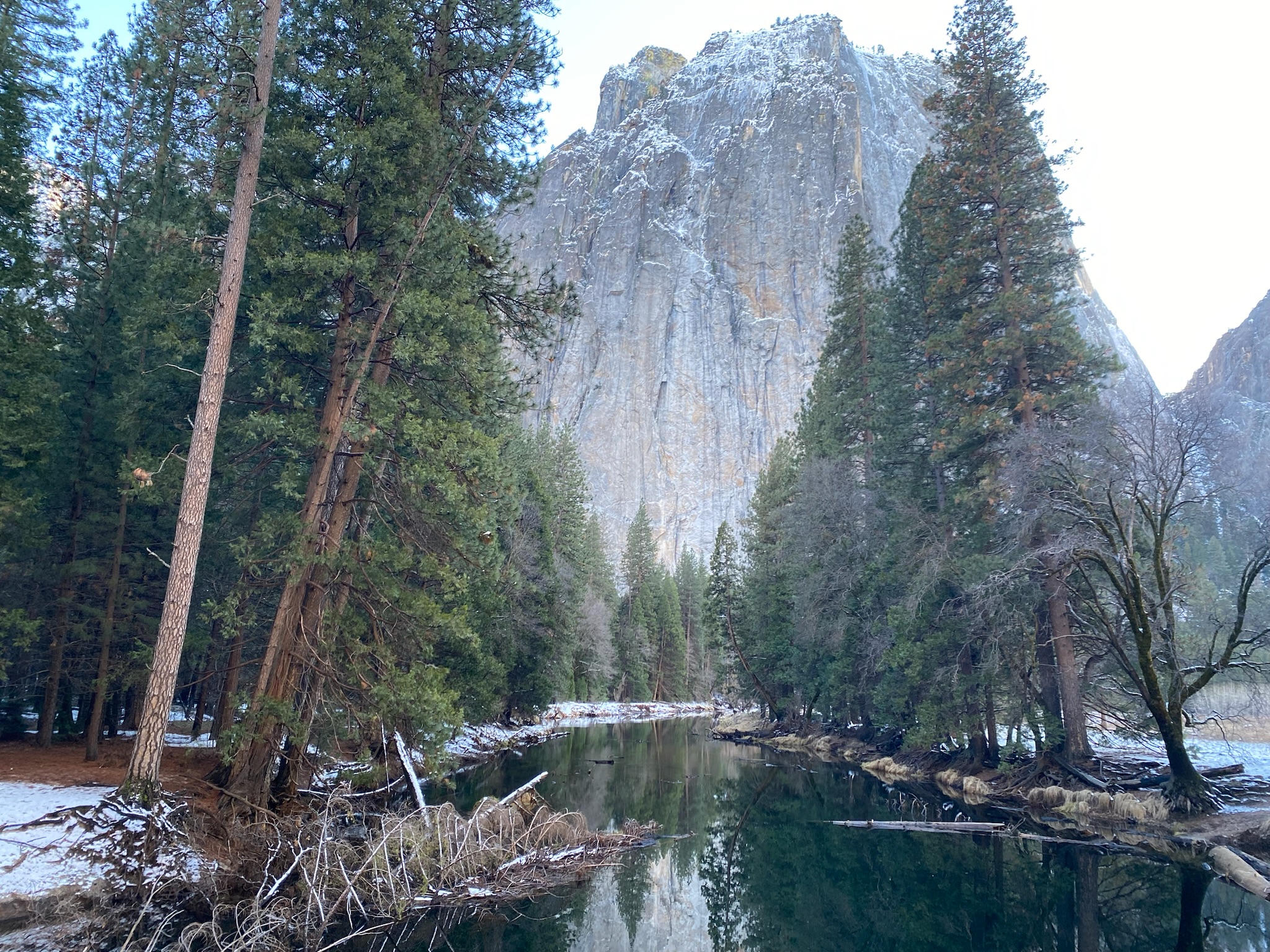
Many travelers assume Yosemite is a summer destination, but winter offers a completely different and equally rewarding experience. Snow transforms the landscape, waterfalls freeze into dramatic ice formations, and iconic viewpoints feel calm and uncrowded. Whether you visit on a sunny winter day or during fresh snowfall, Yosemite remains open and accessible with the right planning.
Frequently Asked Questions About Yosemite Winter Driving
Is Yosemite open during snowstorms
Yes. Yosemite remains open during winter storms, though chain controls and road restrictions may be in place.
Do I need chains if I have all wheel drive
Yes. All vehicles must carry chains in winter, regardless of drive type.
What is the safest entrance to Yosemite in winter
Highway 140 through the Arch Rock Entrance is considered the most winter friendly route into Yosemite Valley.
Can I stay outside the park in winter
Yes. Staying just outside the park along Highway 140 allows for easier winter access and safer driving conditions.
Planning a Winter Visit to Yosemite
Winter travel to Yosemite is completely doable with the right preparation. Understanding road conditions, carrying chains, and choosing a reliable route like Highway 140 can make your trip safer and more enjoyable.