

If you’re wondering whether Yosemite is worth visiting in late winter or early spring, you’re not alone. This is one of the most common questions travelers are asking right now, especially those trying to avoid summer crowds, peak pricing, and logistical headaches.
Short answer: yes, Yosemite can be absolutely worth it in the shoulder season, but only if you know what to expect.
Here’s the real breakdown.
What “Shoulder Season” Means in Yosemite
In Yosemite, shoulder season typically runs from late February through early April. It’s the in-between period where winter hasn’t fully let go, but spring hasn’t fully arrived either.
You’ll see fewer visitors, changing conditions, and a mix of snow-covered scenery and early signs of spring depending on elevation and weather patterns.
This is not the season for doing everything. It is the season for doing Yosemite more intentionally.
The Biggest Benefits of Visiting During Shoulder Season
Fewer crowds
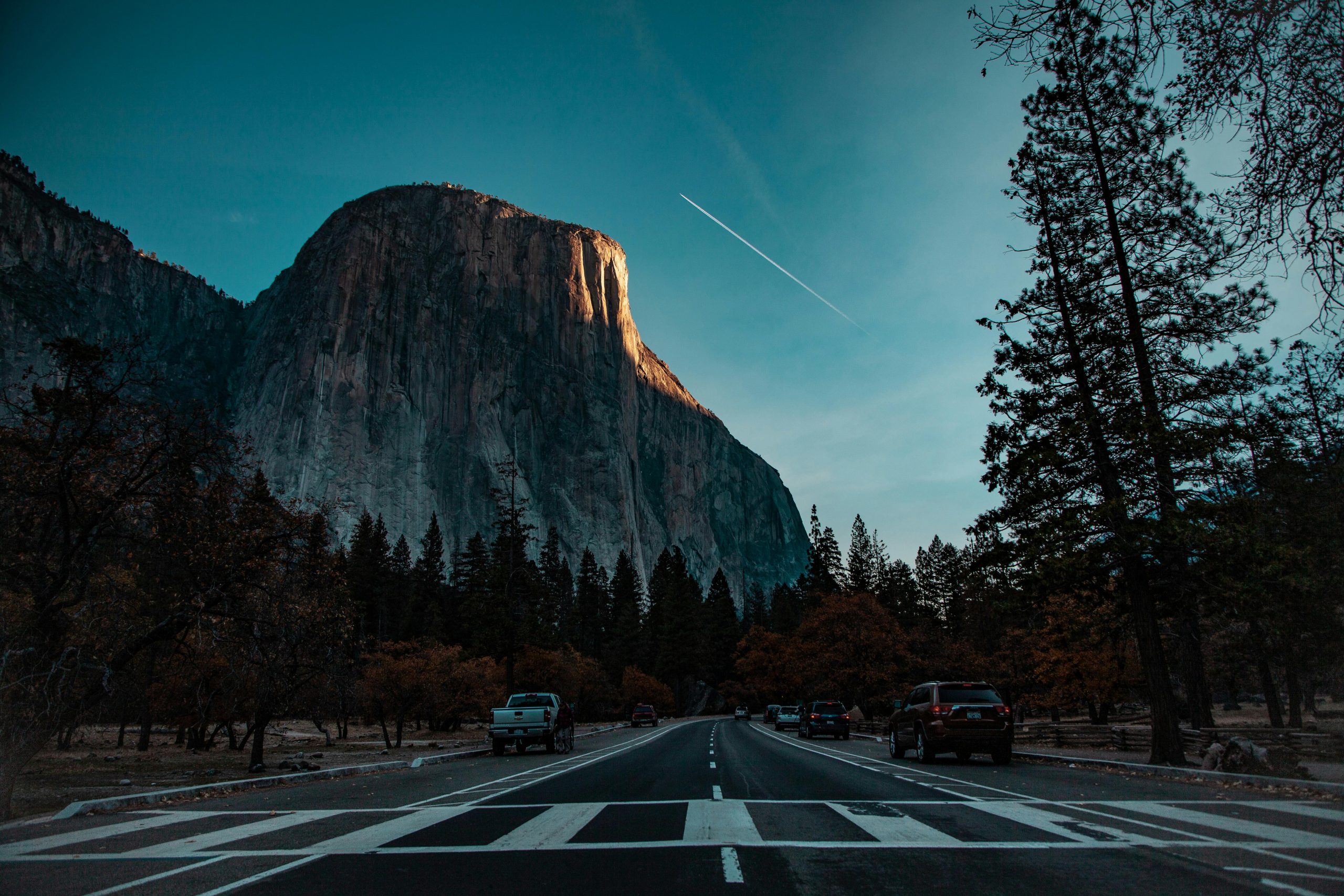
This is the number one reason people choose this time of year. Parking is easier, viewpoints are calmer, and popular valley stops feel less rushed. You can actually take photos without waiting your turn.
Better value
Lodging rates are often lower than peak summer months, and availability is far less competitive. For travelers on a budget or families trying to stretch a trip, this matters.
Winter scenery without full winter chaos
You may still see snow in the valley, frosted cliffs, and dramatic contrast against blue skies, without the holiday crowds or mid-winter travel stress.
More flexibility
Dining reservations, check-in times, and daily plans feel less rigid. You don’t need a minute-by-minute itinerary to enjoy your day.
The Trade-Offs You Should Know Before You Go
This season is not perfect, and pretending it is backfires.
Limited access at higher elevations
Some areas and trails may still be closed due to snow. If your dream trip depends on accessing every corner of the park, summer may be a better fit.
Weather variability
You could get crisp, sunny days or sudden storms. Flexibility is essential. Packing layers and checking conditions daily isn’t optional, it’s part of the trip.
Waterfalls may be hit or miss early on
Peak waterfall season typically ramps up later in spring. Late winter visits prioritize atmosphere over volume.
Who Shoulder Season Is Best For
This time of year is ideal if you are
• Visiting Yosemite for the first time and want a calmer introduction
• Traveling with kids and want less crowd pressure
• A photographer or nature lover who values mood and quiet
• Flexible with plans and comfortable adapting day to day
It may not be ideal if you
• Want guaranteed access to all high-elevation areas
• Prefer warm weather and long daylight hours
• Need predictable conditions for a tightly scheduled trip
Is Yosemite Still “Worth It” Without Peak Season Access?
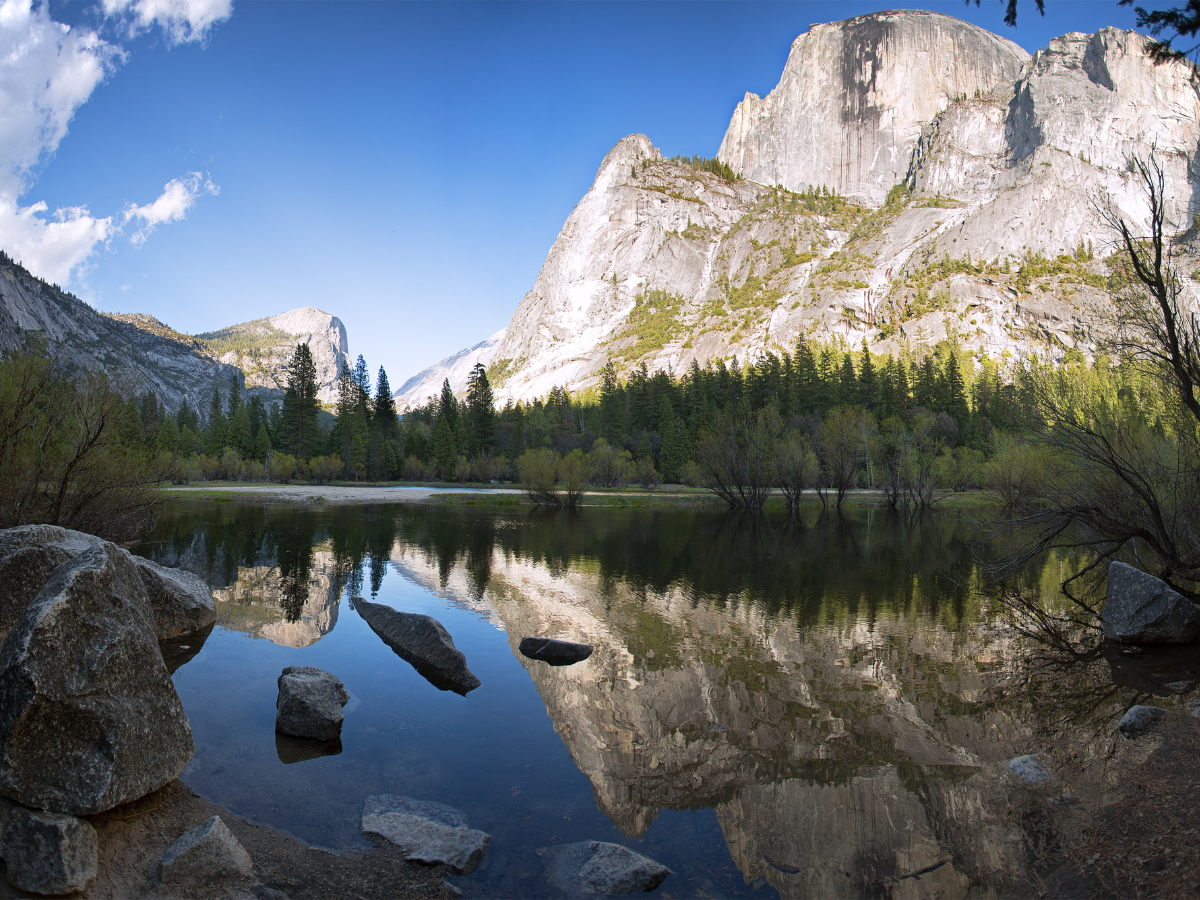
Yes, because Yosemite isn’t just about checking off landmarks. It’s about scale, silence, and being present in the landscape.
Late winter and early spring offer a slower version of the park. One where you notice details, spend more time walking than waiting, and leave feeling refreshed instead of overstimulated.
For many travelers, that ends up being the better experience.
Final Verdict
If your goal is fewer crowds, better value, and a more relaxed visit, Yosemite is absolutely worth visiting in the shoulder season. The key is adjusting expectations, not lowering them. Plan smart, stay flexible, and Yosemite will still deliver something memorable, just in a quieter, more grounded way.